Nerikiri, Diplomacy, and Voting from the Czech Republic
Some confections begin with a season.
Others with a colour.
This one began with a desert.
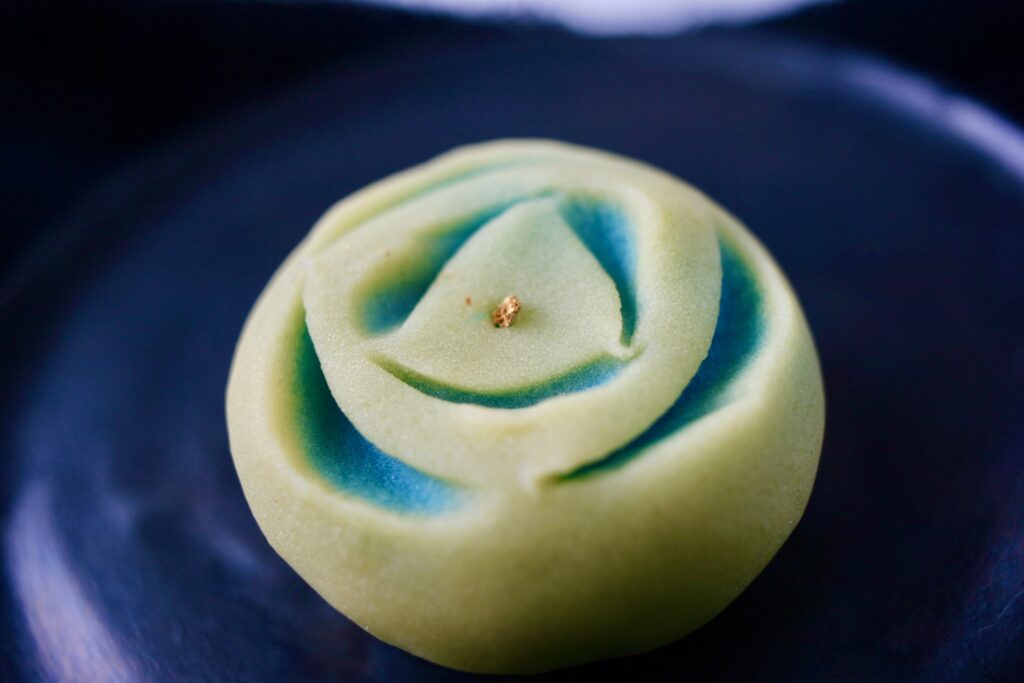
It eventually took shape as a piece of nerikiri I call
A Flower Blooming in the Desert
But before it became form, it was a question,
and before that, an encounter.
The Moment the Flower Appeared
Last November, I was travelling through Norway.
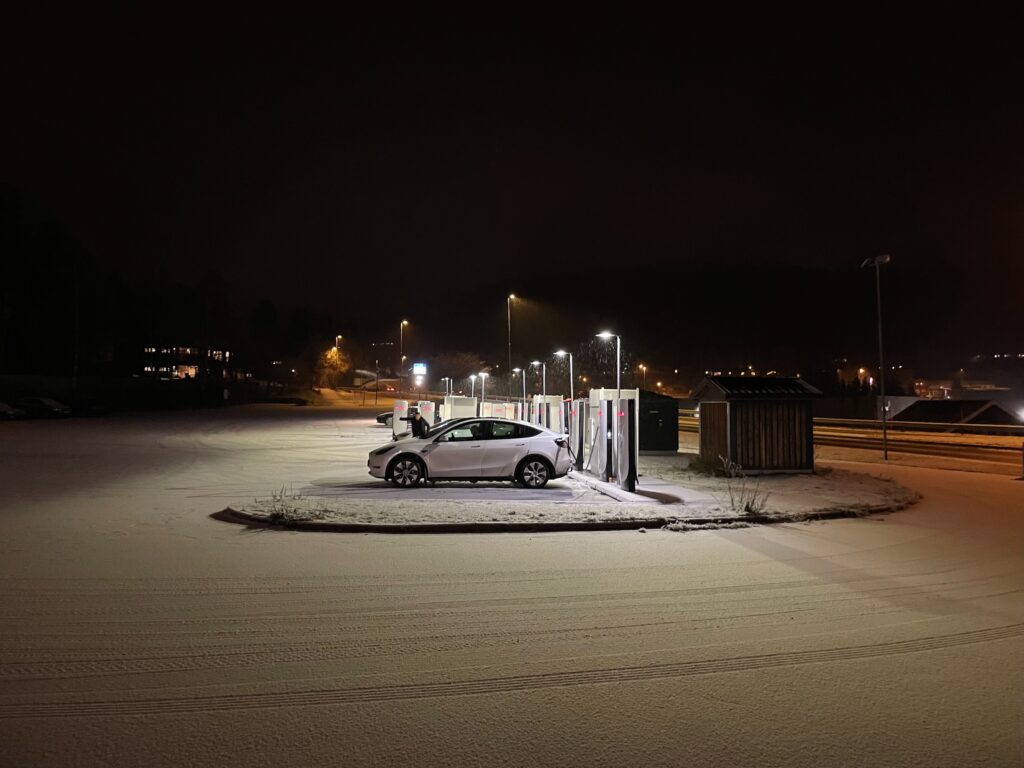
One winter evening, I arrived in a small town wrapped in snow.
The friend who was meant to meet me messaged:
“I’ll be two hours late.”
I stepped into a café by the bus stop.
Norway is expensive. Even compared to inflation-weary Czechia,
everything felt almost twice as costly.
I ordered a refillable coffee and waited by the window,
passing time on my phone.
Then a café staff member spoke to me.
“Are you Japanese?”
When I said yes, he paused and said quietly,
“I’m from Afghanistan.
I’m deeply grateful to a Japanese engineer.”
He told me about wells dug in the Afghan desert.
About villages where water finally arrived.
About lives that continued because of it.
Then, without ceremony, he placed several slices of pizza in front of me.
“I want to pass that gratitude to you,
as a Japanese person.”
I could not speak.
Water Beneath Snow
He showed me a photograph on his phone.
A Japanese man with a gentle expression.
“Tetsu Nakamura. Do you know him?”
A doctor who went to Afghanistan and Pakistan.
A man who moved from medicine to wells,
from wells to irrigation canals,
until water flowed through the desert itself.
The man in front of me continued.
He had fled Afghanistan.
He had been educated in Norway.
He now works here.
And now, he said,
he had become a foster parent,
opening his home to children orphaned by war.
“He brought water,” he repeated.
“To the desert.”
Outside, the temperature was minus ten degrees.
Snow covered everything.
Yet in my mind,
the desert stretched endlessly.
That contrast gave birth to a flower.
Imagining the Nerikiri
It was not a real flower.
It rose quietly but unmistakably
from dry earth.
Not showy,
but blooming with intention,
like an underground water vein finally reaching the surface.
That night, I knew this image wanted to become nerikiri.
Not as decoration,
but as memory made edible.
I named it
A Flower Blooming in the Desert.
Not a national slogan,
but the crystallisation of actions
someone had continued in silence.
Perhaps diplomacy does not begin with treaties.
Perhaps it begins with someone caring for another life,
and that memory travels further than expected.
Technique: Letting the Inside Appear
I chose sajigiri, which means spoon cutting, for this piece.
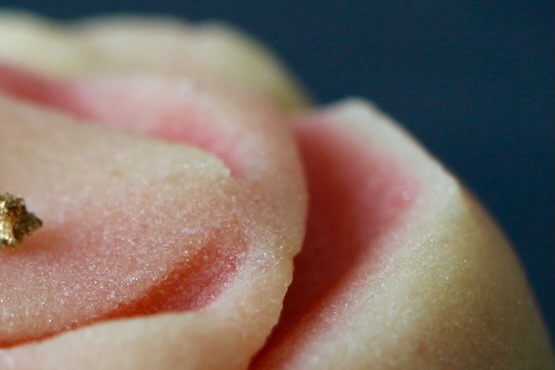
Sajigiri does not cut sharply.
It presses, lifts, leaves traces.
The form emerges through pressure, not force.
The outside is the colour of sand.
Inside, only within,
I hid blue, emerald, and red.
Blue
for water, prayer, distant skies.
Emerald
for life, medicine, healing
the wells Nakamura built.
Red
for blood, sacrifice, will,
and responsibility toward the future.
When the spoon presses in,
the inner colours seep quietly
into the edges and valleys of the petals.
Like water beneath a desert.
Like meaning beneath silence.
The unseen becomes visible.
That sensation felt closest to the truth of this flower.
Wanting to Return a Flower for the Pizza
The man offered me pizza, saying
he wanted to pass his gratitude to a Japanese person.
Those actions taken by a Japanese man long before
could reach me like this,
in a snowy café in a distant country,
through warmth and conversation,
filled my heart completely.
One day, when this nerikiri is complete,
I want to give it to him.
As thanks for the pizza.
And as a flower that carries the name
Tetsu Nakamura
forward into the future.
Voting with the Flower in Mind
Shortly after returning to Czechia,
I went to the Japanese Embassy in Prague
to vote.
The election for the House of Representatives.
And the national review of Supreme Court justices.
Living abroad, voting carries a strange sensation.
Japan feels distant, yet close.
My passport has not changed.
The nationality I present at airports remains the same.
Before comparing policies,
I carried a single question to the polling station:
As a Japanese person living abroad,
What kind of Japan do I wish for?
Diplomacy as Atmosphere
When you live overseas,
diplomacy stops being an abstract word.
It becomes bodily.
At airports.
At work.
When you are introduced to someone new.
When someone asks,
“Where are you from?”
In that brief moment,
what kind of air settles between people?
That atmosphere
is diplomacy for those of us living abroad.
This is why, before voting,
I asked AI to compare candidates
through this lens.
Not which party is “right,”
But which direction aligns
with the way my body lives as a Japanese abroad?
It was not a final answer.
It was a quiet dialogue
that clarified what I value.
Casting a Vote from the Czech Republic
The embassy hall was plain.
The procedures are calm and efficient.
No spectacle.
And yet I felt:
This vote connects more deeply
to my daily air
than to the news headlines in Japan.
When I stand in the world as “Japanese,”
What kind of presence do I want to carry?
Voting is not about perfect agreement.
It is about choosing
which way to turn your body.
The Flower Remains
Later, I noticed something strange.
At the polling station entrance,
the Japanese and Norwegian flags
were flying side by side.
Perhaps the building is shared.
That same evening,
I shaped the nerikiri
that reminded me of a flower blooming in the desert.
Connections continue quietly.
I do not say, “The world is small.”
The Earth is vast.
But there are undeniable threads
that link deserts and snow,
wells and confections,
a slice of pizza and a single vote.
This flower carries those threads.
And that is why
A Flower Blooming in the Desert
exists.

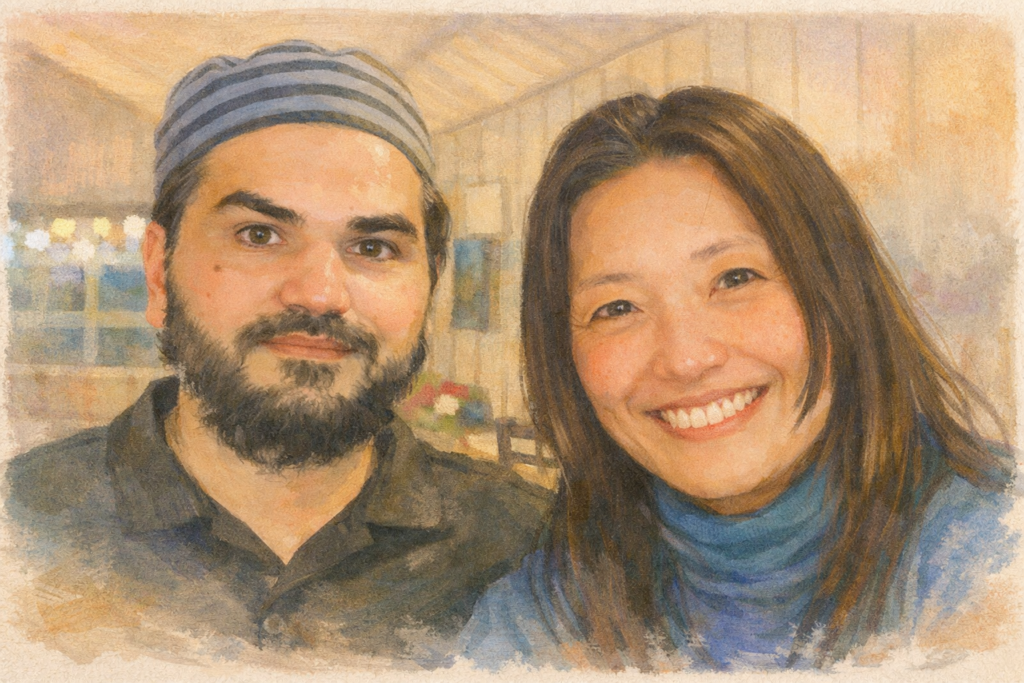
A Note About Rohan, Whom I Met in Åmot, Norway
I would like to write briefly about the man I met in Åmot, Norway.
His name is Rohan.
We spoke and laughed for about an hour on a winter night.
He was warm, generous, and open-hearted.
So much so that he shared pizza with me, saying it was his way of expressing gratitude
for a Japanese engineer revered in Afghanistan as a national hero.
At the time, I did not ask many details.
Later, I learned that he had fled the Taliban regime
and that he now lives as a foster parent, raising children.
He later shared a link to a UNICEF interview
The Human Aspect – The Library: Rohan.
Watching the 30-minute interview with English subtitles,
I was left speechless.
By the weight of his life,
and by his continued faith in humanity.
The interview is publicly available.
I encourage you to listen to his story in his own voice.
Selected Quotes from the Interview (with my reflections)
① Childhood and War
“The hardest part was having to leave home.
War steals childhood from children.
I had to become an adult at a very young age.”
▶︎ Reflection: Here lies the loss of time that the word “refugee” cannot capture.
② Escape and Family
“When my father refused to take part in the next war,
I knew that if he died, there would be no one left to protect us.
That’s why we decided to leave.”
▶︎ Reflection: Not a heroic decision, but a profoundly quiet one: protecting family.
③ Education and the Power of Language
“Learning language is very important.
Even if it seems impossible at first, if you continue, you can do it.
School gives people stability and confidence.”
▶︎ Reflection: The reason he now stands on the side of those who support society is condensed here.
④ Becoming a Foster Parent
“When I was fourteen or fifteen, I needed a family.
So I decided that when I grew up, I would open my door
to children in the same position.”
▶︎ Reflection: Pain transforming directly into future action.
⑤ His Core Belief
“Borders are not that important to me.
I think of myself as a citizen of the Earth.”
▶︎ Reflection: A sentence that runs through this entire piece.